

Skip Babbitt | May 19 2026 15:00
Bicycle Safety Month: Staying Alert and Sharing the Road
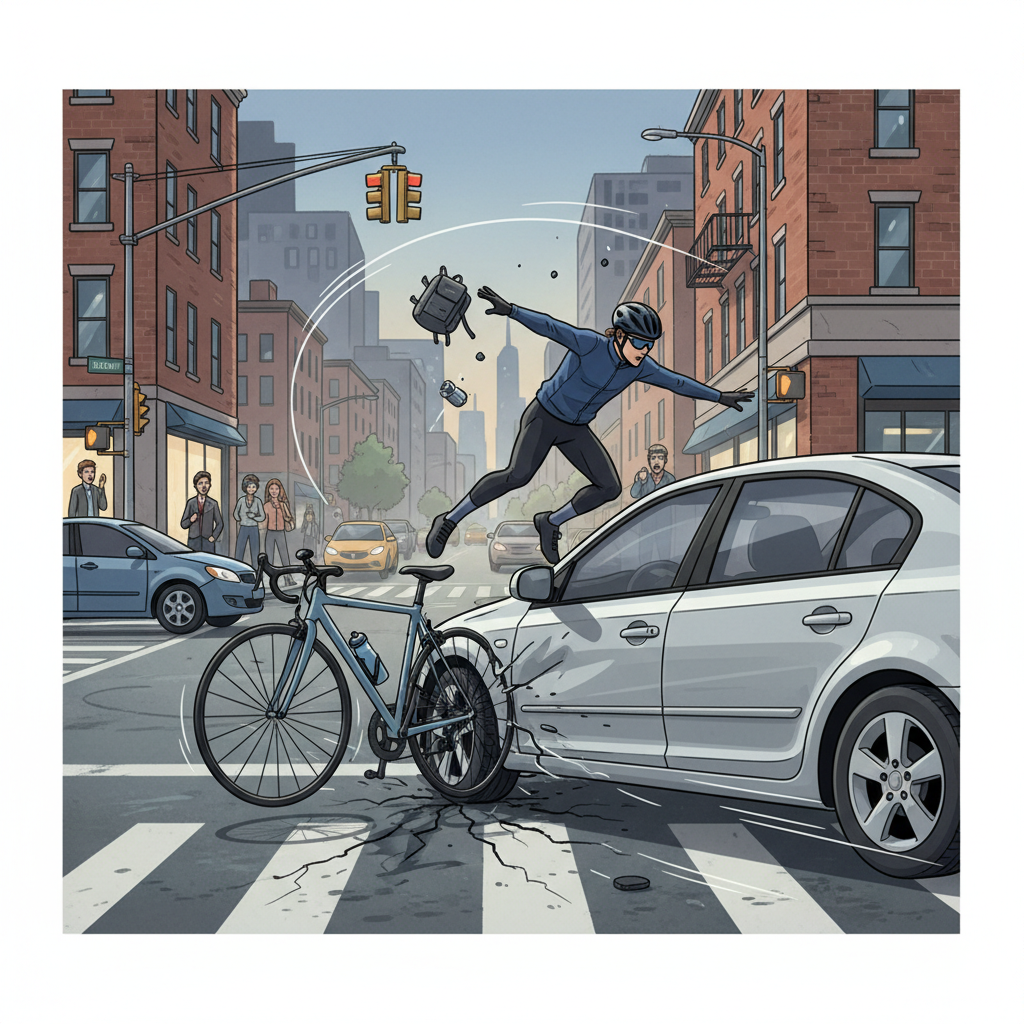
May marks Bicycle Safety Month, a nationwide reminder that safer streets depend on everyone—drivers and cyclists alike. With more than 1,160 bicyclists losing their lives each year in traffic crashes across the country, the importance of awareness and responsible road use cannot be overstated.
As spring and summer bring more riders onto the roads for commuting, recreation, and fitness, adopting safe habits becomes even more essential. Knowing your responsibilities, understanding the rules, and respecting others’ space can prevent severe injuries and save lives.
Why Bicycle Safety Month Matters
Across all 50 states, bicycles are legally treated as vehicles. This means cyclists share the same rights as drivers and are required to follow the same traffic laws. Crashes often happen when drivers or cyclists misunderstand these rights or make assumptions about road use.
The weight difference between a car and a bicycle is overwhelming. In a collision, the cyclist is far more exposed and likely to suffer serious harm. Bicycle Safety Month serves as a timely reminder that increased awareness and mutual respect can drastically improve safety for everyone.
Safety Tips for Drivers
Drivers have a major role in reducing bicycle crashes. Simple, intentional habits can significantly lower the risk of injuring a cyclist.
Keeping the size and weight disparity in mind helps encourage caution, especially in places where cyclists are commonly present. When a car strikes a bicycle, the cyclist nearly always faces the most severe consequences.
Drivers must also remember that cyclists are legally allowed to ride in traffic lanes. If there is no bike lane—or if the bike lane is unsafe due to debris or road conditions—cyclists can and should ride with traffic. Expecting them to move aside or ride on sidewalks can create hazardous situations.
When overtaking a cyclist, slowing down and giving ample space is crucial. Many states require drivers to leave at least three feet of clearance when passing. Even if local laws are not specific, providing generous distance and passing carefully reduces the chance of surprising the cyclist or causing them to swerve.
Turning is another moment that demands extra attention. Intersections are frequent locations for bicycle-related crashes. Before making a turn, drivers should signal early, check mirrors, and look over their shoulder for cyclists continuing straight through the intersection. A brief pause to double-check can prevent a devastating collision.
Drivers should also be cautious when opening vehicle doors. “Dooring” accidents—where a car door swings into a cyclist’s path—can cause severe injuries. The Dutch Reach, which involves using the hand farthest from the door to open it, naturally encourages the driver or passenger to look behind for approaching cyclists.
Above all, avoiding distractions is critical. Many drivers involved in bike crashes report not seeing the cyclist at all. Staying focused, putting phones away, and watching the road closely can save lives.
Safety Tips for Cyclists
Cyclists also play a key part in keeping roads safe. Practicing defensive riding and following traffic laws can significantly reduce the risk of a crash.
Riding with the flow of traffic is essential. Although riding against traffic may feel safer to some, it reduces reaction time and makes it harder for drivers to predict a cyclist’s movements. Staying in the correct direction greatly improves visibility.
Just like drivers, cyclists must obey traffic signs, signals, lane markings, and right-of-way rules. These laws are designed to protect all road users. Following them helps drivers understand where a cyclist intends to go and react appropriately.
Visibility and predictability are also key. Signaling turns clearly and riding in a straight, steady line helps prevent confusion. Cyclists should avoid weaving between parked cars and should use bright clothing or reflective gear during the day. At night, proper front and rear lights, along with reflectors, are essential for being seen.
Staying alert is another important factor. Phones and headphones can reduce awareness and limit the ability to hear traffic or warnings. Knowing and following state rules regarding headphone use can further improve safety.
There are times when the safest choice is to ride in the center of the lane. If a bike lane is unavailable or too narrow for safe shared use, taking the lane increases visibility and discourages unsafe passing attempts by drivers.
A Collective Effort Toward Safer Roads
Bicycle Safety Month emphasizes that both drivers and cyclists must do their part. Slowing down, signaling clearly, checking for cyclists, following traffic laws, and staying visible all contribute to safer shared roads.
A moment of patience or awareness can be the difference between a normal trip and a life-altering crash. When everyone respects one another’s rights and responsibilities, the entire community benefits.
If you or someone you know has been injured in a bicycle accident, understanding your legal rights is essential. Our firm handles personal injury, criminal defense, and litigation matters and is here to offer reliable guidance. Reach out today to discuss your situation and learn how we can help protect your interests.

Recreational Injury Liability: What You Should Know
Bicycle Safety Month: Staying Alert and Sharing the Road
Read more
When a Slip or Trip Becomes a Premises Liability Claim

Spring Break Travel Safety Tips for a Safer Getaway

Navigating Post-Accident Steps with an Uninsured Driver
Read more
Safe Toys and Gifts Month: A Guide for Holiday Shoppers

Holiday Safety Tips to Enjoy the Season Responsibly
Understanding Brain Injury Cases in Personal Injury Law

The Role of Insurance in Personal Injury Cases

How Social Media Can Impact Your Personal Injury Case
Read more
What to Do If You're Injured by a Dog and When to Call an Attorney

Navigating Personal Injury Claims with Confidence
Read more
Essential Steps to Follow After a Car Accident
How Social Media Affects Your Personal Injury Case
Read more
What to Do If You’re in a Rideshare Crash
Read more
Selecting the Ideal Mediation Style for Conflict Resolution

Addressing Workplace Sexual Harassment: Key Steps

Steps to Take After a Trucking Accident

Understanding Key Stats for Motorcycle Safety

Decoding Employment Offer Letters: A Key to Career Success

Understanding Slip-and-Fall Claims: A Practical Guide

Understanding Common Civil Litigation Types

Navigating Personal Injury Claims with Insurance Companies
Read more
Understanding the Crucial Role of Attorney-Client Privilege

Debunking Myths: Motorcycle & Bicycle Accident Cases

Personal Injury: Settlement vs. Court Explained

Understanding 3 Types of Personal Injury Damages
