

Skip Babbitt | Jul 21 2026 15:00
Recreational Injury Liability: What You Should Know
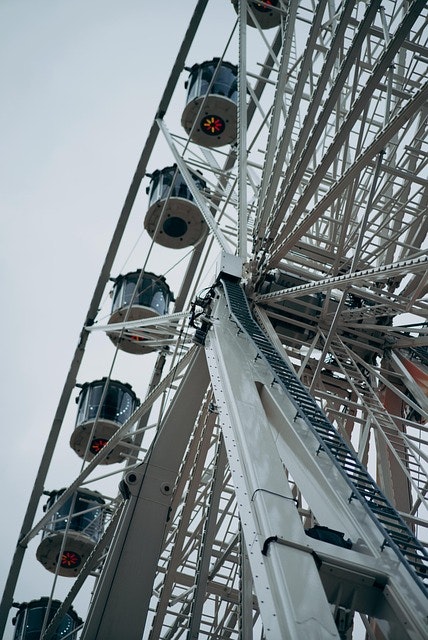
Amusement parks and water parks promise fun, adventure, and memorable summer outings. Visitors head to these attractions expecting a safe space where they can enjoy rides, slides, and entertainment with minimal risk. Although most days end smoothly, unexpected injuries can still occur, creating challenges that can affect victims long after the incident.
When someone is hurt, many people are unsure of how the accident affects their legal rights. Some assume that dangerous conditions are simply part of the experience, or that signing a waiver means they have no ability to bring a claim. In reality, the law offers important protections. Even in recreational settings, safety standards must be followed, and when park operators or others fail to meet these responsibilities, they may be held legally accountable.
Common Types of Amusement Park Injuries
Amusement and water park injuries can span from minor discomfort to life-changing harm. The nature and severity of an injury often depend on the attraction involved, the condition of the facility, and how well safety rules are enforced.
Slip-and-fall incidents are among the most frequent, especially in water parks where walkways and platforms remain wet throughout the day. These accidents can cause broken bones, sprains, or other painful injuries. Head trauma is also a significant concern on fast-paced rides that involve sharp turns, sudden stops, or abrupt impacts. In more serious cases, concussions or traumatic brain injuries may occur.
Spinal injuries, though less common, can be devastating. They may result from high-speed rides, falls from elevated areas, or equipment malfunctions. Soft-tissue harm—such as strained muscles, ligament tears, or joint damage—can happen when rides jerk abruptly or stop without warning.
In some situations, unsafe equipment or poorly maintained surroundings contribute to cuts, bruising, or blunt-force injuries. Water attractions can also present drowning or near-drowning risks. Even injuries that appear mild at first may lead to long-term complications, ongoing treatment, or financial strain.
Who May Be Responsible?
Determining fault after an amusement or water park injury often requires a careful look at multiple factors. Several parties may share responsibility depending on how the accident occurred.
Park operators are responsible for day-to-day safety. Their duties include maintaining rides, following operational procedures, and training staff appropriately. When these tasks are neglected, preventable accidents become much more likely.
Property owners or managers may also be liable if the injury stems from unsafe premises, including poor lighting, structural hazards, or damaged walkways. In some cases, the issue is mechanical. If a ride or safety component is defective, the manufacturer could be accountable.
Staff members and ride operators also play a role. When they fail to enforce safety rules, supervise guests, or respond properly to hazards, their actions may contribute to an injury. Because so many moving parts are involved, determining responsibility often requires reviewing physical evidence, witness statements, and maintenance records.
How Liability Waivers Work
Many parks require guests to sign liability waivers before entering certain attractions. These documents are often misunderstood and can leave visitors confused about how the waiver affects their rights.
A waiver is generally intended to inform participants of the inherent risks associated with an activity. For example, roller coasters involve speed, height, and sudden movements. By signing the waiver, guests acknowledge these dangers.
However, waivers rarely shield a park from negligence claims. If a park ignores known hazards, fails to maintain equipment, or otherwise behaves irresponsibly, a waiver may not prevent a lawsuit. Some waivers are overly broad or unclear, and courts may decline to enforce them.
This distinction matters. While visitors may accept ordinary risks, they are not expected to accept preventable dangers created by inadequate safety practices.
The Financial Impact of Park Injuries
Injuries at amusement and water parks can result in more than immediate physical harm. Medical bills can accumulate quickly, especially when emergency care, hospitalization, or ongoing rehabilitation is required.
Beyond medical expenses, injured individuals may lose income during recovery or, in more serious cases, face long-term limitations that reduce earning potential. Ongoing treatment, therapy, or assistive care can add further financial pressure.
Because these costs can escalate rapidly, understanding whether compensation may be available can make a meaningful difference for individuals and families moving forward.
Why Taking Quick Action Matters
Time is a critical factor after an amusement park injury. Key evidence—such as surveillance video, ride logs, or unsafe conditions—may only remain available for a short period. Footage can be erased, and accident scenes may change as staff make repairs or adjustments.
Witness statements also become less reliable as time passes, making it more difficult to reconstruct the events accurately. Additionally, personal injury claims must be filed before the legal deadline, and waiting too long can restrict or eliminate the ability to pursue recovery.
Prompt action helps protect essential evidence and allows a more accurate assessment of what caused the injury.
When to Consider Legal Guidance
Not every accident leads to a claim, but some situations call for professional review. Injuries caused by unsafe conditions, malfunctioning equipment, inadequate supervision, or significant financial loss may justify seeking legal advice.
An experienced attorney can examine the details, determine whether negligence was involved, and outline possible next steps. As highlighted in similar personal injury resources, early guidance can make a significant difference in how a case progresses.
If you or someone you care about has been injured at an amusement park or water park, speaking with a legal professional can help you understand your rights and options. Taking the time to discuss your situation may be an important step toward finding clarity and moving forward.
Recreational Injury Liability: What You Should Know
Bicycle Safety Month: Staying Alert and Sharing the Road
Read more
When a Slip or Trip Becomes a Premises Liability Claim

Spring Break Travel Safety Tips for a Safer Getaway
Navigating Post-Accident Steps with an Uninsured Driver
Read more
Safe Toys and Gifts Month: A Guide for Holiday Shoppers

Holiday Safety Tips to Enjoy the Season Responsibly
Understanding Brain Injury Cases in Personal Injury Law

The Role of Insurance in Personal Injury Cases

How Social Media Can Impact Your Personal Injury Case
Read more
What to Do If You're Injured by a Dog and When to Call an Attorney

Navigating Personal Injury Claims with Confidence
Read more
Essential Steps to Follow After a Car Accident
How Social Media Affects Your Personal Injury Case
Read more
What to Do If You’re in a Rideshare Crash
Read more
Selecting the Ideal Mediation Style for Conflict Resolution

Addressing Workplace Sexual Harassment: Key Steps

Steps to Take After a Trucking Accident

Understanding Key Stats for Motorcycle Safety

Decoding Employment Offer Letters: A Key to Career Success

Understanding Slip-and-Fall Claims: A Practical Guide

Understanding Common Civil Litigation Types

Navigating Personal Injury Claims with Insurance Companies
Read more
Understanding the Crucial Role of Attorney-Client Privilege

Debunking Myths: Motorcycle & Bicycle Accident Cases

Personal Injury: Settlement vs. Court Explained

Understanding 3 Types of Personal Injury Damages
